


Case description
The NABU and the SAPO uncovered the activities of a criminal organization composed of current and former officials, including representatives of the energy sector. According to the prosecution, its members built a large-scale corruption scheme aimed at exerting influence over the operations of strategic state-owned enterprises — most notably, Energoatom — obtaining unlawful benefits and laundering proceeds of crime.
On November 11, 2025, the following individuals were notified of suspicion:
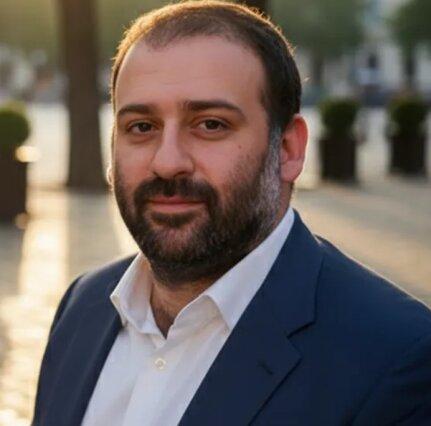
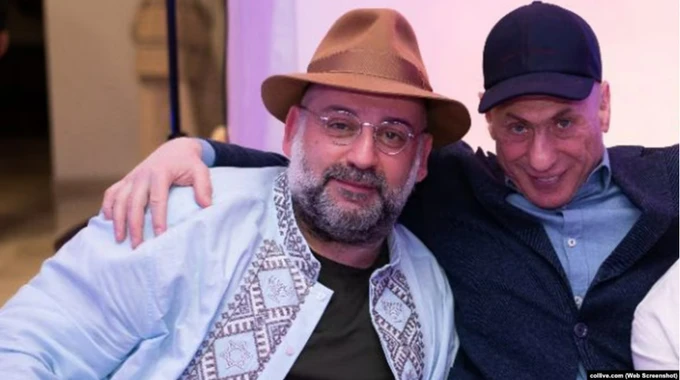
- Tymur Mindich (“Karlsson”), businessman and alleged head of the criminal organization
- Ihor Myroniuk (“Rocket”), former adviser to the Minister of Energy
- Dmytro Basov (“Tenor”), Executive Director for Physical Protection and Security at Energoatom
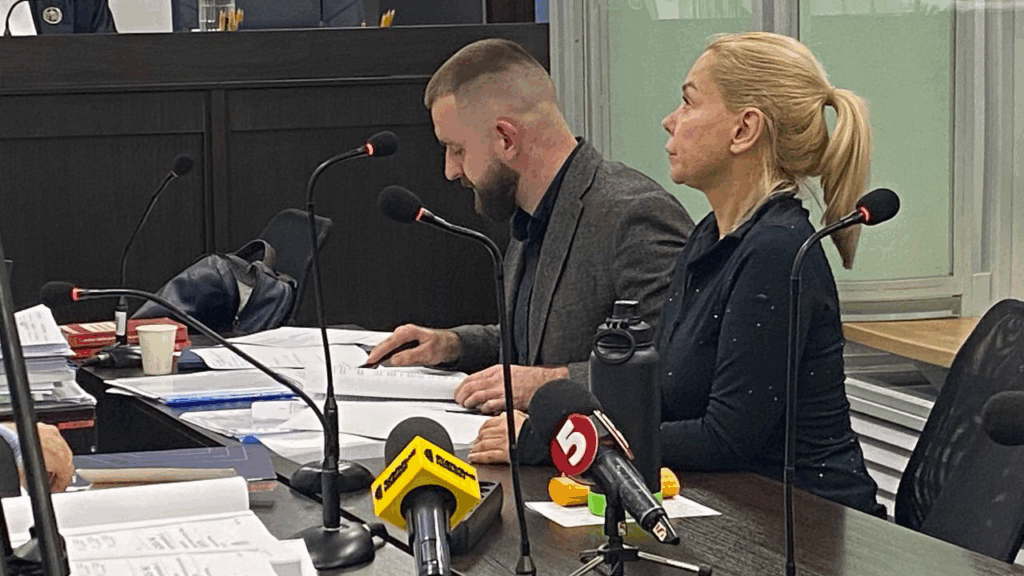
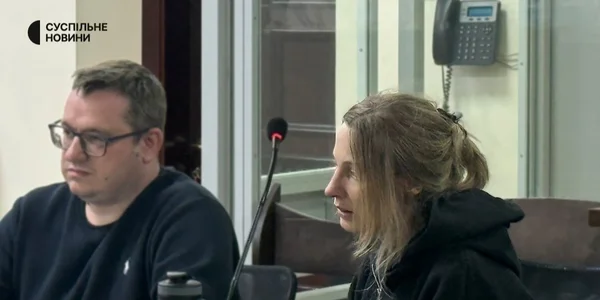
- Four “employees” of the money-laundering “back office”: Oleksandr Tsukerman (“Sugarman”, “Chief”), Ihor Fursenko (“Rioshyk”), Lesia Ustymenko, and Ludmyla Zorina.
In addition, on the same day, former Deputy Prime Minister of Ukraine Oleksii Chernyshov (“Che Guevara”) was notified of suspicion of illicit enrichment. The recordings also reference former Minister of Energy and current Minister of Justice Herman Halushchenko (“Professor”, “Sigismund”), who was suspended from his post by the Government on November 12; however, he has not yet been served with a suspicion notice.
.jpg)

Nature of the scheme
The organization’s core activity consisted of systematically demanding and receiving unlawful benefits from Energoatom’s contractors, amounting to 10–15% of the value of each contract.
According to the investigation, no later than January 2025, Tymur Mindich, exploiting wartime conditions, his personal relationship with the President of Ukraine, his connections with senior officials, and his significant informal influence, decided to enrich himself by organizing criminal activity across various economic sectors.
Mindich involved Oleksandr Tsukerman as a co-organizer responsible for forming the membership of the organization.
Dmytro Basov and Ihor Myroniuk, using their official authority and the influence of Minister of Energy Herman Halushchenko, ensured the inflow of substantial funds from Energoatom. With their participation, and through four additional trusted individuals, the criminal organization effectively gained control over the enterprise.
The scheme aimed to secure unlawful payments from Energoatom officials for assisting contractors in concluding agreements, approving documentation, facilitating payments, etc. The arrangement became known as the “barrier scheme” (“shlagbaum”), since contractors were forced to pay kickbacks to avoid blocked payments or the loss of supplier status.
The criminal plan included:
- selecting premises for the “back office”;
- ensuring secrecy and preventing outsider access;
- recruiting specialists experienced with cryptoassets;
- regularly relocating cash storage sites;
- using closed messaging accounts to communicate with clients;
- istributing profits among members and transferring funds to controlled individuals and legal entities;
- collecting information posing risks and influence over media outlets.
One of the enabling factors was the adoption of a law in May 2024 introducing a moratorium on the bankruptcy of critical-infrastructure state enterprises. However, these provisions did not apply to Energoatom. The enterprise subsequently signed an agreement with UKROP LLC to act as a co-executor under a state contract and applied to be added to the list of companies potentially exempt from enforcement actions.
According to the case materials, the Ministry for Strategic Industries of Ukraine later issued an order adding Energoatom to the list of debtors whose enforcement actions were suspended during martial law.
Meanwhile, contractual provisions with suppliers allowed for payment terms ranging from 45 to 180 days after delivery, enabling Energoatom’s management to determine unilaterally whom to pay and when. Exploiting their connections within the ministry and the state enterprise, group members controlled staffing decisions, procurement procedures, and financial operations.
As a result, this strategic enterprise with annual revenue exceeding UAH 200 billion was controlled by informal actors without official powers, who in effect acted as “overseers”.
Episode of money laundering
According to the investigation, the laundering of illicit proceeds was carried out by members of a dedicated unit of the criminal organization, the so-called “office,” located in central Kyiv at 20/1 Volodymyrska Street.
The premises belonged to the family of former MP and current Russian Federation senator Andrii Derkach, who is also accused in a separate criminal case. This office monitored the organization’s financial flows, kept records of funds received (“shadow accounting”), and carried out money-laundering operations through a network of foreign companies. Some transactions, including cash distribution, were conducted outside Ukraine.
For performing financial operations for external clients, the office charged a fee — a percentage of each transaction.
To maintain secrecy, the group avoided naming currencies directly; they used coded terms such as “blue ones” or “beautiful ones” (new USD 100 bills) and “ugly ones” or “96 notes” (older bills).
By February 12, 2025, Myroniuk controlled USD 350,000 in criminal proceeds. On February 17, he held USD 500,000 and EUR 150,000; by February 21, USD 874,000. These funds were transferred to other members, who transported them to the office for consolidation.
During the detention-hearing proceedings, it was also stated that, on Zukerman’s instructions, part of the funds was handed to Chernyshov. In March 2025, the organization received another USD 340,000 from Myroniuk, which was subsequently laundered. In April, he delivered an additional USD 3 million, and in May — EUR 300,000.
In total, approximately USD 100 million passed through this financial “laundromat” during the documented period of the group’s activities.
Role of Tymur Mindich
Tymur Mindich is a Ukrainian businessman and co-owner of Kvartal 95 Studio.
According to the investigation, he was the organizer of the criminal activity. He is also believed to have overseen the operations of the “laundromat” through which illicit proceeds were laundered.
From an apartment located on the upper floors of a building on Hrushevskoho Street in Kyiv, “Karlsson” directed financial flows, determining to whom, and in what amounts, cash should be issued or transferred. He allegedly influenced the heads of central executive authorities to resolve issues in his personal interest, particularly in the energy and defense sectors.
The recordings made by detectives capture him managing financial operations, discussing the formalization of trusted persons through fictitious employment, issuing security instructions, and demonstrating awareness of potential NABU attention.
Mindich reportedly left Ukraine immediately before receiving the suspicion notice.
Involvement of Oleksii Chernyshov
According to the investigation, members of the organization transferred funds to the former Deputy Prime Minister of Ukraine, internally referred to as “Che Guevara.”
Investigators documented payments totaling USD 1.2 million and almost EUR 100,000, delivered either at the office or at a medical clinic owned by another suspect. The last payment — USD 500,000 — was transferred to Chernyshov’s wife.
Chernyshov is also suspected in a separate corruption case.
Involvement of Halushchenko
Herman Halushchenko has served as Minister of Justice of Ukraine since July 17, 2025 and previously served as Minister of Energy from April 29, 2021, to July 17, 2025.
As of November 12, 2025, he is not a suspect in this case. However, according to the prosecutor, “facts of Mindich’s criminal activity were established in the energy sector through his influence on Minister Halushchenko, and in the defense sector through his influence on Minister of Defense Umerov.”
The prosecutor argues that, with Halushchenko’s assistance, Mindich exercised control over financial flows in Ukraine’s energy sector. In return, Halushchenko allegedly received personal benefits, including Mindich’s support before the President of Ukraine and Mindich’s assistance in laundering money through Myroniuk.
Halushchenko is repeatedly mentioned in NABU recordings related to this case. His code names were “Professor” and “Sigismund.”
How the scheme was exposed
The special operation by the NABU and the SAPO to document the organization’s activity lasted more than 15 months, beginning in summer 2024. During this period, investigators collected a substantial volume of evidence, including 1,000 hours of audio recordings, which formed the basis for assessing each participant’s role.
At the final stage, almost all NABU detectives were involved. Pursuant to court warrants, more than 70 searches were conducted in Kyiv and other regions, resulting in the seizure of significant quantities of documents and cash.
As mentioned above, Tymur Mindich left Ukraine a few hours before the searches began. It later became known that another figure in the case — Oleksandr Tsukerman — also left the country.
Both men are now subject to sanctions. The Presidential Decree published online confirms that more than half of all available sanctions were applied to them, including the deprivation of state awards, which neither of them holds. However, the measures likely to have the greatest real impact on Mindich and Tsukerman are financial sanctions. For example, the freezing of Tymur Mindich’s assets should also extend to his 50% ownership stake in Kvartal-95 LLC. At the same time, the law does not require government bodies to block assets immediately, and oversight of the freezing process lies with the Ministry of Justice, which until recently was headed by another figure mentioned in the “Mindich tapes” — Herman Halushchenko.
Alongside the controversial application of sanctions to the two main fugitives during the first days of “Mindichgate,” the courts were also selecting interim measures for the detained suspects. The former adviser to the Minister of Energy, Ihor “Rocket” Myroniuk, was placed in custody with an alternative of UAH 126 million bail. The former Executive Director for Physical Protection and Security at Energoatom, Dmytro “Tenor” Basov, received custody with an alternative of UAH 40 million bail. Three “employees” of the back office responsible for money laundering — Ihor “Rioshyk” Fursenko, Lesia Ustymenko, and Liudmyla Zorina — were placed in custody with bail alternatives of UAH 95 million, UAH 25 million, and UAH 12 million, respectively.
During the first week, the court did not consider interim measures for former Deputy Prime Minister Oleksii Chernyshov (code-named “Che Guevara”) or for fugitives Tymur Mindich and Oleksandr Tsukerman. Later, Chernyshov was placed in custody with an alternative of UAH 51.6 million bail. It was subsequently revealed that the bail was paid by two private individuals — Andrii Protsyk and Iryna Fedorovych, who contributed UAH 30 million and UAH 21.6 million, respectively.
The issue of imposing interim measures on former Vice Prime Minister Oleksii Chernyshov, known by the alias “Che Guevara,” as well as on fugitive defendants Tymur Mindich and Oleksandr Tsukerman, was not considered during the first week. Subsequently, Chernyshov was placed in pretrial detention with an alternative bail of UAH 51.6 million.
It later became known that the bail was posted by two individuals — Andrii Protsyk and Iryna Fedorovych, who paid UAH 30 million and UAH 21.6 million, respectively. The HACC Appeals Chamber upheld the interim measure, revoking only the obligation to surrender Chernyshov’s Ukrainian passport.
A total of UAH 37 million in bail for two female defendants — back-office employees Lesia Ustymenko and Liudmyla Zorina — was posted by внa newly established company, Vanhar, with a charter capital of UAH 1,000.
At a later stage, Mindich and Tsukerman were also subjected to a preventive measure in the form of detention in absentia.


.png)
