


Case description
The NABU and the SAPO suspect Taras Vysotskyi, former Deputy Minister of Agrarian Policy, of organizing the procurement of food for the population in the frontline area at inflated prices. This refers to purchasing pasta in the spring of 2022.
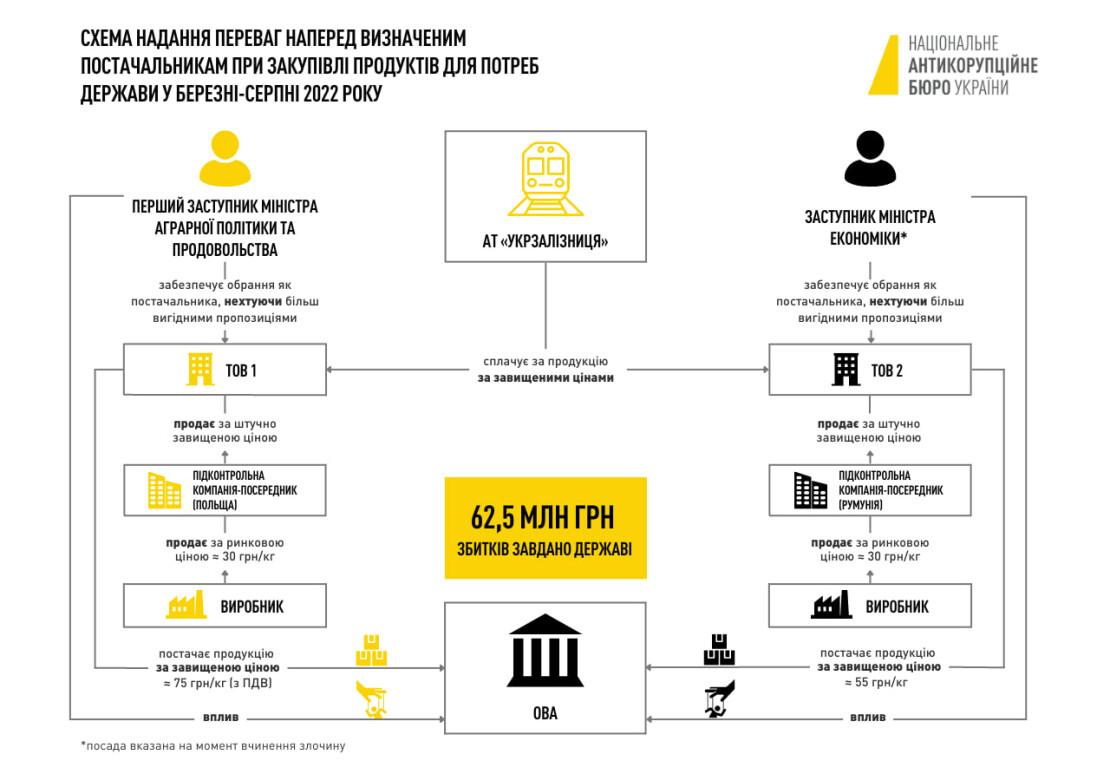
The investigation found that in March-April 2022, Vysotskyi, as First Deputy Minister of Agrarian Policy, allegedly lobbied two Ukrainian companies to supply pasta products to a number of military administrations. These companies are Olimp LLC and Vinsaid Light LLC.
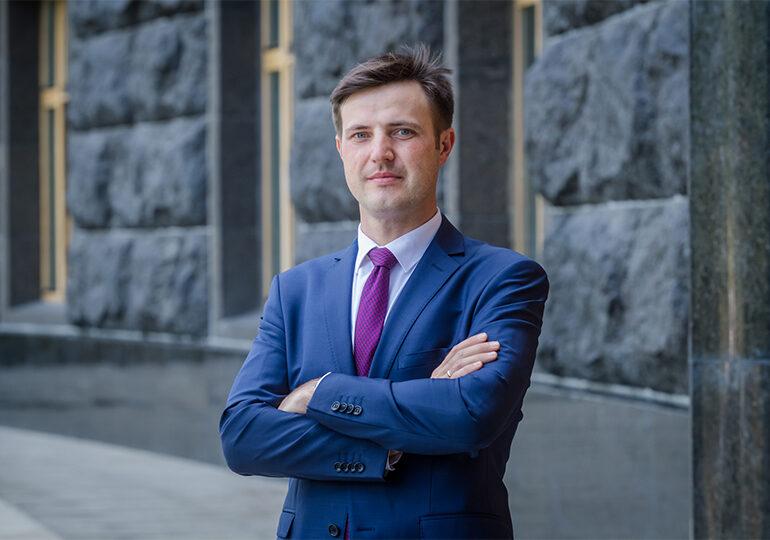
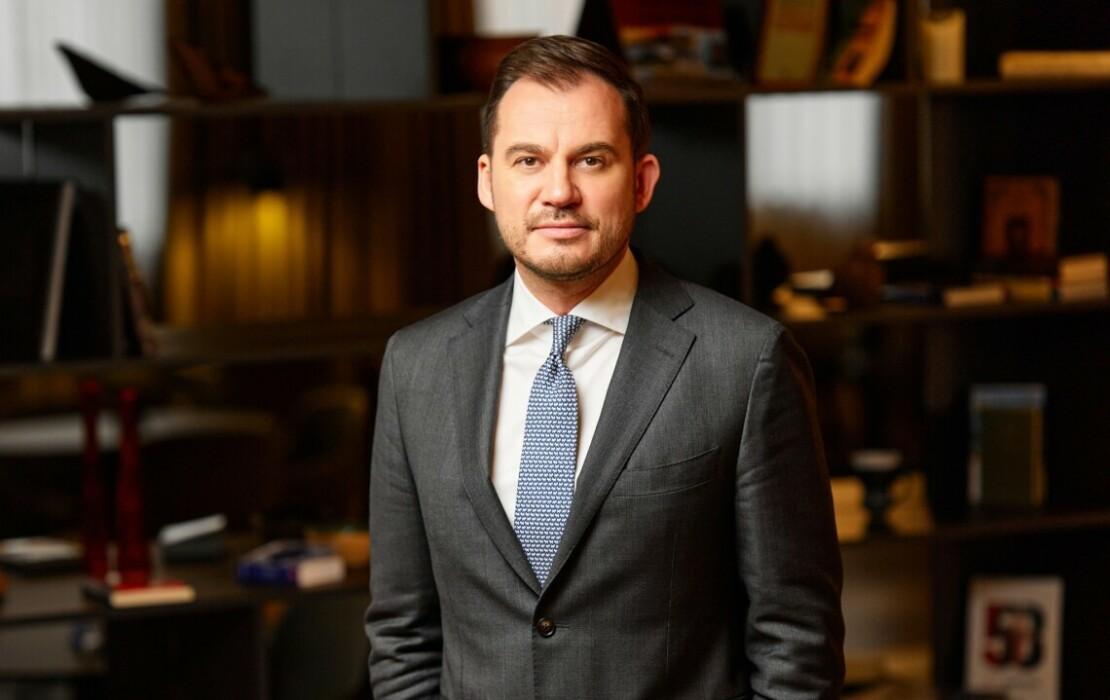
At that time, administrations could only purchase food for the population from a list of suppliers determined by the Ministry of Agrarian Policy, after the app-roval by Vysotskyi as First Deputy Minister. Vysotskyi allegedly got in touch with Olimp LLC so that it would fulfill the state order for the purchase of pasta at the rate of 1 pack per person. The pasta cost the state, namely Ukrzaliznytsia, UAH 63 per kilogram, while the NABU and the SAPO claimed that the price of such products varied within UAH 20.
Olimp LLC owner, Anatolii Vlasenko, allegedly purchased the goods from a Polish company headed by his son, Oleksii Vlasenko. The foreign company itself purchased them from the producer at a market price of UAH 30/kg.
Vysotskyi was advised by another person involved in the case, former Deputy Minister of Economy Oleksandr Hryban, who is suspected of aiding and abetting. He passed on the firm's contacts in a messenger, after which Vysotskyi got in touch with its representative in person. Following the meeting, the parties agreed on a contract for the supply of pasta at a price of UAH 55/kg. The expert established the market price for this product in the range of UAH 30-33. The scheme is similar: Vinsaid Light LLC purchased pasta from a Romanian intermediary at inflated prices, and the intermediary purchased the goods at a market price directly from the manufacturer.
The total losses of Ukrzaliznytsia on behalf of the state are estimated at UAH 63.9 million.
The defense considers the suspicions groundless, arguing that it was impossible to fulfill the state order during the first days of a full-scale invasion. Vysotskyi noted that 60% of Ukrainian pasta manufacturers did non work because of temporary occupation or hostilities, and the others could not provide the necessary volumes due to the limited operations and the shelling risks.
He also claimed that in March 2022, he contacted the largest grocery chains (Fozzy, Auchan, ATB, Novus, Metro) and their prices were within UAH 30-124/kg. However, none of them were able to supply products in two days, and some demanded a 100% advance.
Also, the defense highlights that Vysytskyi and Hryban did not receive any benefit, and NABU and SAPO did not provide any evidence of a mercenary motive.
Taras Vysotskyi’s actions were qualified under Article 364(2) of the Criminal Code of Ukraine. Oleksandr Hryban, was charged as an accomplice under Article 27(5) and Article 364(2) of the Criminal Code of Ukraine. Read more about the "pasta case" and the positions of various stakeholders in this material.
In addition, Vysotskyi also appears as a witness in similar cases. For example, he explained the same procedure in the criminal proceedings regarding the procurement of canned food in the Odesa region at an inflated price of UAH 7 million.


